Maximise deductions, minimise stress this tax season.  

Sure, tax time is not famed for being exciting, or even particularly enjoyable –  but your return is a great opportunity to get smarter with your money and potentially even claim some of your hard-earned income back.  

To help you make the most of it, we partnered with Scott Lynch, director at Beanstalk Accounting, to break down the rules and give you the confidence to file your return like a pro. 

In short:

This webinar breaks down:

💸: Employee Deductions
We’ll walk you through common deductions for employees, from car expenses to working from home, so you know exactly what you’re entitled to claim.

📈 Property & Shares: 
We’ll demystify the tax implications of your investments, helping you understand tax statements for managed funds, capital gains for crypto, and key deductions for investment properties. 

🤓 Pro Tips & Pitfalls: 
We’ll give you the strategies you need to avoid common mistakes, save time, and ensure you’re making the smartest decisions for your financial future. 

Watch the video or read the article below!

Your Next Step:
Read on, watch the webinar recording and download our handy Tax Time Checklist to get the most out of your return in 2025.  


Employee Income & Basic Deductions 

An income is an unavoidable part of our lives, and so are the taxes that come with it. But a deduction is a choice. This section will walk you through the fundamentals of reporting your income and, more importantly, claiming the common deductions you’re entitled to as an employee. 

1. Don’t forget to check the accuracy of your income.

Scott points out that the process for declaring your employee income has become significantly easier for most people over the years, as salaries and wages are now automatically pre-filled by the ATO in MyGov accounts. “This is a great time-saver” he says “but it’s still crucial to double-check that the information is correct. Don’t be afraid to question anything that looks off—it’s your money, and accuracy is key”. 

2. What are the most common deductions?

“As a general rule, you can claim a deduction for any expense that was incurred as a direct result of earning your income” says Scott. “The rule of thumb is to simply ask ‘was the expense paid by me to generate an income?’ 

 

There are three common deductions the team at Beanstalk see, but each come with their own common mistakes and pitfalls!


Car Expenses:

If you are driving for work you have a couple of options. For up to 5,000 kilometres, you can use the per-kilometre method, which lets you claim a flat rate of $0.78 per kilometre 

“You’ll need to justify your claim by providing the reasons for the travel” says Scott “and it’s worth remembering that you cannot claim the commute to and from work unless you are transporting tools or heavy work related equipment in your vehicle.’ 

For travel beyond 5,000, the logbook method is the way to go. This requires you to keep a logbook to determine the business-use percentage of your vehicle, which can then be used as the basis for your claim.  


Work-Related Clothing:

Deductible work clothing is subject to very specific conditions, primarily that any items claimed cannot be worn outside of your working life.  

As Scott explains, you can’t claim a deduction for a standard suit, shirt, or blouse, even if your employer requires you to wear it. Why? Even though the items are required by your employer they can still be worn outside of the workplace e.g. your suit can be worn to a wedding or event.   

What you can claim is clothing that is compulsory and not able to worn outside of the workplace, like a branded uniform, or protective wear, such as a “high-vis jacket, steel-capped boots… or other safety gear”. 


Working from Home:

If you’re one of the many Australians working remotely, you may be able to claim a portion of your home office expenses.  

The easiest method for working out your deductible expenses is the fixed-rate method, which allows you to claim $0.67 for every hour you work from home. This covers your electricity, phone, and internet usage.  

If you want to claim the actual costs, be prepared to keep meticulous records and have a dedicated workspace at workspace at home – if your office doubles as a second bedroom and/or you have an office available within a reasonable distance, you are not eligible to claim.  

 

When it comes to property; a repair, such as fixing a leaking roof, is immediately tax-deductible. A capital improvement, like building a brand-new pergola, must be depreciated over a number of years, says Scott.


Navigating Shares, Property and Crypto. 

Once you start building your investment portfolio, whether it’s through shares, ETFs, or property, your tax situation becomes more complex. This section covers Scott’s top tips and considerations that come with a growing portfolio. 


📈 Shares 

A very common point of confusion for investors is navigating the annual tax statements for their managed funds and ETFs. As Scott explains, the fund manager will send you an annual tax statement, usually by mid-August, and his top tip is simple: you cannot lodge your tax return until you have received this document. He notes that if you use a tax agent, you can get an extension to lodge until May 15th of the following year. 

🏠 Property

Property is one of the most popular ways our members build wealth, but the tax implications can be a little tricky. As Scott explains, a common mistake for property owners is differentiating between repairs and capital improvements.

Scott’s top tip is to be aware of the distinction, as it can significantly affect your deductions. In a nutshell, a repair, such as fixing a leaking roof, is immediately tax-deductible. A capital improvement, like building a brand-new pergola, must be depreciated over a number of years.


🤑 Crypto

A common misconception is that you only pay tax on your cryptocurrency when you convert it back to cash. Scott’s top tip is to understand that a capital gains event occurs whenever you “dispose of an asset,” which includes trading one cryptocurrency for another, like Bitcoin for a stablecoin. He adds that if you have held the asset for more than 12 months, a 50% discount applies.


Complex Scenarios: What Are Employee Share Schemes? 

Employee Share Schemes (ESPPs) are one of the fastest-growing ways that young professionals are building wealth. Scott explains that they are also one of the most complex areas of tax law. He says there are two potential taxing points: the discount you receive on the shares (taxed as income) and a potential capital gain when you eventually sell the shares. Because of this complexity, he is very clear: “It is an area you will probably need professional advice.” 

 

Click to review the full webinar with Scott Lynch and Fox & Hare’s William Bull.

What’s Next? 

Scott’s final piece of advice is to be patient and avoid rushing your tax return. It can be tempting to file as soon as July 1 hits, but it’s crucial to wait for all your pre-filled information and tax statements from investments to become available. If you’re working with a tax agent, you will have even more time, with the option to lodge as late as May of the following year. 

To help you get organised, you can download our Tax Time Checklist. And if you have any questions, you can reach out to your Fox & Hare associate for support, or if you need professional advice, contact Scott Lynch at  
[email protected]

High-achieving, experienced, and always in your corner. Your Fox & Hare advice team are always working to ensure you are in the best possible possible position – please reach out via the PFP with any questions!

About Fox & Hare:

Fox & Hare are the Millennial and Gen Z advisers, 100% focused on helping Australia’s 20-45 year olds buy property, get invested and achieve financial freedom

When it comes to managing your money, it’s normal to feel uncertain or scared of making the wrong decision; it’s normal to feel so overwhelmed that, despite knowing you need to do something, the first step seems impossible; and it’s also incredibly normal to be earning great coin, but still feeling like you’re behind. 

At Fox & Hare we create bespoke, long term financial plans that eliminate these uncertainties and put you in control of your financial future. No more option paralysis. No more fear of missing out. No more uncertainty about how to manage your money effectively.

If you:  

  • Want the flexibility to live your life on your terms, not tied to a job or working 24/7. 
  • Want your money to be working for you – not the other way around. 

 But the idea of learning how and where to start is more than a little daunting, let Fox & Hare do the legwork for you. 

Ask for a raise, get paid what you’re worth in 2025!

In short:

This webinar breaks down the essential steps to prepare your case, approach your employer and secure the raise you deserve in 2025.

🔎👤💰Understand Your Value: 
Learn how to effectively evaluate your contributions, quantify your achievements, and benchmark your salary.

🧩➡️✅ Prepare Your Case: 
Gain insights into researching salary ranges, documenting your accomplishments, and identifying the optimal time to ask for a raise.

🗣️🤝👂Have the Conversation: 
Develop the skills to approach your manager, clearly articulate your reasons, handle objections, and negotiate effectively.

Watch the video below. Full blog post coming soon!


About Fox & Hare:

Fox & Hare are the Millennial and Gen Z advisers, 100% focused on helping Australia’s 20-45 year olds buy property, get invested and achieve financial freedom

When it comes to managing your money, it’s normal to feel uncertain or scared of making the wrong decision; it’s normal to feel so overwhelmed that, despite knowing you need to do something, the first step seems impossible; and it’s also incredibly normal to be earning great coin, but still feeling like you’re behind. 

At Fox & Hare we create bespoke, long term financial plans that eliminate these uncertainties and put you in control of your financial future. No more option paralysis. No more fear of missing out. No more uncertainty about how to manage your money effectively.

If you:  

  • Want the flexibility to live your life on your terms, not tied to a job or working 24/7. 
  • Want your money to be working for you – not the other way around. 

 But the idea of learning how and where to start is more than a little daunting, let Fox & Hare do the legwork for you. 

 Will Albo’s changes to super affect you?

We’ve broken down the Government’s superannuation changes so you can understand what’s actually happening, what isn’t, and most importantly, how (or if!) it affects your financial future.

In short:

❓ What’s changing? A reduction on tax breaks for super earnings over $3 million.

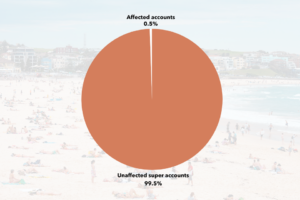
🤷‍♀️ Who’s affected? Less than 0.5% of super account holders, on earnings above $3 million only.

🗓️ When? From July 1, 2025, applying to future earnings.

➡️ Your next step? All Fox & Hare members are currently unaffected, but your adviser is available for guidance if needed.


Albo’s changed the superannuation rules, but is the panic justified?

So, what’s changing?

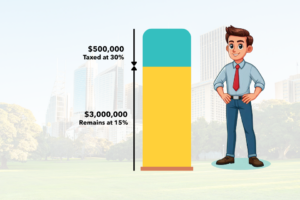
The government is reducing the tax breaks available for those with more than $3,000,000 in their superannuation account. Right now, earnings in super are taxed at a low 15%.

After the 1st July, balances over $3,000,000 will attract a rate of 30%. This reduced tax benefit will only apply to the earnings over $3 million, not your entire balance.

The change is projected to apply to around 80,000 people across Australia – less than 0.5% of all Australians with a superannuation account.

The new rules will only kick in from July 1, 2025.

This policy is not retrospective; it applies only to future earnings. Your existing super balance and past growth will not be re-taxed under the new rules.

The Treasurer’s current intention is not to index the proposed threshold. However, Fox & Hare Co-founder and financial adviser Glen Hare offers his perspective:

“I definitely do not have a crystal ball, I cannot see the future, but looking at government policies and behaviours to date, I would be incredibly surprised if this policy was not adjusted up in future. In 1985 the highest marginal tax rate in Australia was $35,000 today that number is $190,000 – I would be very surprised if future governments did not continue with a similar trend”


This change is projected to affect around 80,000 people across Australia, which is less than 0.5% of all Australians with a superannuation account and 0% of Fox & Hare members.


What the Changes Are NOT

There’s been a lot of discussion (and also quite a bit of hysteria) around the changes and we’ve heard a few very genuine concerns. These are the ones we’ve heard and know to be untrue or misleading:

👥 Concern #1: “The change impacts most everyday Australians.”

Reality: The reform affects a very small fraction of Australians – specifically, the 0.5% with super balances above $3 million. For the vast majority (99.5%), your super tax benefits remain exactly as they are.

To put it in perspective, the average superannuation balance in Australia is around $150,000 and while some argue that many young people will eventually end up with a balance north of $3,000,000 it’s hard to imagine the policy not being adjusted for inflation in the future.


Fox & Hare Financial Advice Co founder, Glen Hare, believes it is unlikely the policy would not be indexed in future.

⏳ Concern 2: “Younger generations will be disproportionately affected by the changes over time.”

Reality: While the $3 million threshold isn’t currently indexed, analyses suggest that even by 2055, only a small percentage (around 5%) of young people working today will reach this threshold – it is likely that a few Fox & Hare members may fall into this category.

Proponents of the bill argue that young people, even those affected, stand to benefit the most as the change aims to improve budget sustainability, potentially reducing future financial burdens on them.


⏪ Concern 3: “It’s a retrospective tax on your existing super balance.”

Reality: The benefit reduction will apply only to earnings generated on balances above $3 million from July 1, 2025, onwards. It does not re-tax any earnings or growth that occurred before this date.


🚫 Concern 4: “The government is putting a cap on how much super you can have.”

Reality: There’s no limit on the total size of your superannuation account balance in the accumulation phase. This change is about adjusting the tax concessions that are available for very large balances, not restricting how much you can save for retirement.


📈 Concern 5: “This will cause people to pull money out of super and inflate the housing market.”

Reality: While individuals will make their own financial decisions, superannuation will still offer a tax-concessional rate on earnings (30% above $3m, 15% below) compared to potentially higher marginal tax rates outside of super.

This means keeping money in super could still be a tax-effective option, even with the change.


In simple terms: in a super balance of $3.5 million, the original 15% tax rate still applies to the earnings from the first $3 million. It’s only the earnings generated by the $500k above the $3 million threshold that are affected.


Will YOU Be Affected by These Changes?

The simple answer: if your superannuation balance is, or is projected to remain, below $3 million, the changes will not affect you.

This change is aimed at the very top tier of superannuation holders with multi-million dollar balances.

For the vast majority of Fox & Hare members, your financial plans and strategies will continue as normal.

Fox & Hare members consistently earn above the average in every state and territory, many earn many multitudes of the average salaries in their state or country of residence (a significant number earn over 10x!) yet not a single member holds a super balance over $3,000,000.

As young professionals on the path to substantial wealth accumulation, understanding how superannuation, tax and other rules might evolve is a smart move. However, you can trust that your adviser is constantly assessing these changes.

If there are proposed changes that are poised to impact your financial future, you can be certain we’ll be actively identifying strategies to ensure you remain in the best possible position.

Please reach out to your adviser via the Personal Finance Portal if you have any further questions.

High-achieving, experienced, and always in your corner. Your Fox & Hare advice team are always working to ensure you are in the best possible possible position – please reach out via the PFP with any questions!

About Fox & Hare:

Fox & Hare are the Millennial, Gen Z and Alpha advisers. We help Australia’s 20-45 year olds buy property, get invested and achieve financial freedom

When it comes to managing your money, it’s normal to feel uncertain or scared of making the wrong decision. It’s normal to feel so overwhelmed that, despite knowing you need to do something, the first step seems impossible. And it’s also incredibly normal to be earning great coin, but still feeling like you’re behind. 

At Fox & Hare we create bespoke, long term financial plans that eliminate these uncertainties. We put you in control of your financial future.

No more option paralysis, fear of missing out or uncertainty about how to manage your money effectively.

If you:  

  • Want the flexibility to live your life on your terms, not tied to a job or working 24/7. 
  • Want your money to be working for you – not the other way around. 

 But the idea of learning how and where to start is more than a little daunting, let Fox & Hare do the legwork for you. 

Here’s why he’s happy that he ‘failed’. 

In short:

Zac’s goal to save $100,000 before graduation led him to create a “bucket” system for managing the $750 he was earning each week at his part time job. By pre-allocating and dividing funds into categories like essentials, lifestyle, and savings he was able to save vast sums of money in a very short period of time.  

Chasing $100k.

“There was no math behind the target at all,” Zac admits with a shrug. “100k is just a nice big target and I don’t think anybody could say that saving that amount isn’t a milestone.” 

Four years later, he graduated with just over $95,000 across savings and investments.

“I missed my target,” he reflects, “but I am not bothered by that at all. I am actually happy because, first, I know that I definitely could have hit the goal and, second, because I learned a really important lesson.” 

Saving 95k is an exceptional achievement for any Australian, which makes the feat even more impressive for a student juggling work and a full-time study load. So, how did Zac do it? And why did he ‘give up’ so close to his goal – making a conscious decision to miss his target? 

It’s easy to jump to assumptions like ‘nepo baby’, elite private school or ultra wealthy family when we hear about young people’s financial success, but those assumptions underplay and undervalue the hard work of people like Zac – and many like him.  

He earned a scholarship by excelling at a state school on Brisbane’s northside, self funded his volleyball training and participation for fun and worked casually in student services at his alma mater, QUT, bringing in a steady $1500 per fortnight. Not a life of excess or relying on billionaire parents.  

“I kept hearing people say things like ‘everything gets easier after the first 100k’, ‘you’ll have a nest egg’, and ‘it’s going to start compounding’, all that type of thing.

So, even though I wasn’t earning that much, I set myself the goal to save $100,000 before graduation.” 

It was an ambitious goal, particularly for a student. But Zac wanted to set a challenging target and see if he could hit it.  


Zac didn’t have a specific goal in mind when he himself a $100,000 savings goal – ‘it was just a nice big target’ he says. His success proves that big financial milestones are achievable with drive, not just high income.


Buckets: Zac’s blueprint for financial control.

Zac’s path to saving wasn’t paved with complex investment strategies or extreme frugality. Instead, it was built on a simple, effective system: buckets. 

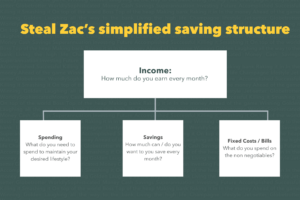
He took his fortnightly income ($1500) and consciously divided it into three separate categories: 

  • Essentials:
    Covering the non-negotiables for life, including transport, textbooks, study materials, and contributions to the household.
     
  • Lifestyle:
    Allocating funds for socialising with friends and his girlfriend, enjoying meals out, pursuing hobbies, and staying up-to-date with his wardrobe. 
  • Savings:
    The dedicated “100k” bucket, designed to grow steadily with each paycheck. 


To make the system foolproof, Zac took a practical approach.
 

He set up three separate bank accounts, one for each category, and he automated transfers that would distribute the funds to their allocated account on payday. This meant his money was automatically sorted, reducing the temptation to overspend from his savings. 

This system provided Zac with: 

  • Clarity:
    He always knew exactly how much money he had available in each category. 
  • Control:
    He made conscious choices about his spending, rather than reacting to impulses. 
  • Flexibility:
    He could adjust his lifestyle spending if needed to prioritise his savings goal. 


But less than six months out from graduation and well within striking distance of his $100,000 goal, Zac’s commitment to saving was put to the test when he was presented with an opportunity to study abroad in Seoul. 


Zac’s secret weapon to saving big wasn’t complex; it was a simple ‘bucket’ system, customised to his situation for clarity and control.

Korea calling: when opportunity knocks 🇰🇷

“I’d almost made it to $95,000 – with six months left to go – when an opportunity to go live and study in South Korea for a month came up. 

The cost was around $6000 and I jumped. I definitely was NOT expecting to go to Korea, let alone study there, but it sounded like a great opportunity, so I dipped into my savings and paid for the whole thing myself! 

For many students – and even adults – an out of the blue $6000 price tag would mean an automatic no. But Zac had options.  His “100k” bucket, filled by his earlier planning and consistent saving, presented him with the opportunity of a lifetime. 

He could stick rigidly to his goal, or he could embrace an experience that might not come again. 

“I had to look at the opportunity in front of me and ask, ‘where do I draw the line?’” Zac recalls.  

“This was a once in a lifetime opportunity! And while hitting my goal was definitely important, I think what’s more important is having the flexibility and resources to enjoy my life”. 

Ultimately, Zac chose the experience. “It was amazing.” he says.

“It was snowing every second day. I spent New Year’s Eve in Seoul with this group of other students from all around the world! We ate ramen, we went to this floating 7-eleven and had drinks while all the fireworks went off around us. It really was an amazing experience.” 

Six months later, after his trip to Seoul, Zac graduated with just over $95,000 in savings and investments.

He didn’t quite reach his initial $100,000 goal, but he gained something far more valuable than a rounded number in the bank. 


The real lesson of Zac’s savings ‘fail’? It’s the flexibility to choose experiences that truly matters. The numbers in the bank are the means – not the end.


The $95,000 perspective: it’s about more than just money.

I didn’t hit my target. But if I’m honest I’m not bothered by that at all. How could I be?” Zac says. “It’s true that I definitely COULD have made it to the $100,000, but that would have meant missing out when a once in a lifetime opportunity came my way.  

I’m still young, I value experiences and even though money will always be super important I learned that when I manage my money properly, I can afford to put a premium on living my life!” 

Zac’s experiences reveal the often-missed elephant in the room – that financial discipline isn’t about going without. It’s about laying the groundwork that allows you to choose your own adventure and live a meaningful life – whatever that might mean to you. 

His story offers a refreshing, practical perspective on personal finance, particularly for young Australians: 

  • Start early, even small:
    Consistent saving, even on a modest income, creates a financial buffer and opens doors to unexpected possibilities.
     
  • Set goals, but stay flexible:
    A target provides direction and motivation, but life is unpredictable. Be willing to adjust your plans and priorities as you go.
     
  • Value experiences over pure accumulation:
    Money is a tool to enhance your life, not the sole purpose of it. Don’t let the pursuit of savings overshadow the joy of living.
     
  • Automate, automate, automate:
    Set up separate accounts for essentials, lifestyle, and savings, automating transfers to each on payday. ‘Set and forget’ your finances to minimise both temptation and friction and stay committed to your goals.


The often missed elephant in the room: financial discipline isn’t about going without. It’s about laying the groundwork to choose your own adventure and live a meaningful life – whatever that might mean to you.

Fox & Hare can help.

Zac understands firsthand how crucial a solid financial plan is for unlocking big life moments – and spends his days helping Fox & Hare members achieve that same level of clarity and control.

If you ready to take the next steps toward the life you aspire to, reach out to Fox & Hare for a free virtual coffee catch up.

We have helped hundreds of 20-45 year olds unlock their potential and find the freedom, security and stability they deserve.

We can assess your current financial world – and give you 100% clarity on how to:

  • Pay down debts
  • Save to buy a home
  • Quit work for a career change / start a business
  • Achieve financial freedom

With clear, reliable and realistic time frames.

If you want to be debt free? We can tell you exactly how long that will take. If you want to own a home? We can tell you how long that’ll take too. Want to start a family? We can tell you down to the day.

So, if you want to put an end to that feeling of unease “when will I be able to buy a home?” “when will I be debt free?” “will I ever feel financially secure?” Hit “Book now!” and claim your free virtual coffee with our Member Success Manager, Will today. 

Book now!

About Fox & Hare:

The company was Founded in 2017 by two former Macquarie execs. Fox & Hare aims to empower and educate Australians in the wealth accumulation phase of their life journey. Through the provision of a safe, inclusive and accepting environment, they’ve built a diverse and devoted following of 20- 40 somethings. Members come from many backgrounds, abilities and genders. The organisation and its co-founders have featured in the AFR, Equity Mates and Sydney Morning Herald. They have been included in Financial Standard’s Power 50 and Glen Hare was voted Australia’s best Financial Adviser for 2024.

Upgrade Your Career and Earn More Money in 2025!

In short:

This guide breaks down the essential steps to get hired and boost your income in 2025.

🧑‍💻Learn how to craft a resume that stands out

🥇 Make a great impression in interviews &

🏆 Confidently negotiate your salary and benefits to ensure you’re paid what you’re worth.

Watch the video or read the full breakdown below.


Get Hired and Grow Your Salary

As the end of the financial year approaches, it’s a natural time to reflect on your financial position – and that absolutely should include your income.  

In today’s economic climate, with the cost of living continuing to rise, there’s a critical truth we need to face: if your salary hasn’t grown at least in line with inflation, you’ve effectively gone backwards. You’re earning the same (or close to it), but your money simply doesn’t stretch as far as it used to. 

Closing this gap in your income is vital for building financial security and achieving your goals. So, what are your options?

You could aim for a raise in your current role, explore ways to boost your income through a side hustle, or find a new position that offers a higher salary.

If you’re considering that third option – landing a new role that pays more – then this blog post is for you. 

To help you put your best foot forward in navigating the competitive job market and securing a higher income, Fox and Hare’s Head of Advice, Courtenay Walker sat down with HR queen, SEEK’s 2021 recruitment leader of the year and founder of Lotus People, Australia’s top recruitment agency for candidate experience five years in a row, Sinead Connolly. 

With her extensive experience seeing thousands of resumes every week and guiding countless individuals through the hiring process, Sinead offers invaluable insights to share on how to get hired! 

And we’ve distilled the key takeaways from their conversation into this guide, covering the three crucial stages of your job search:  

  1. Crafting a standout resume that makes a powerful first impression,
  2. Making a great and lasting impression in interviews to showcase your value, and
  3. Confidently negotiating your salary and other benefits to ensure you’re fairly compensated.


Is your salary keeping pace? “If your salary hasn’t grown at least in line with inflation, you’ve effectively gone backwards.” Says Fox & Hare’s Head of Advice, Courtenay Walker.


Crafting a Standout Resume

In a competitive job market, your resume is your initial handshake with a potential employer.

With hiring managers and recruiters sifting through potentially hundreds of applications for a single role, getting yours to stand out from the digital pile is essential.

This section will equip you with the knowledge to create a resume that not only gets read but makes a memorable, positive impression, addressing the common frustration of applications disappearing into a black hole.

Sinead, who sees thousands of resumes weekly, shared her top tips for creating a document that catches a hiring manager’s eye.

Key Principles for a Resume That Gets Noticed:

  • Keep it Simple and Readable:
    Forget overly complicated designs and graphics. Recruiters are often sifting through hundreds of applications, and a clean, simple format is easiest to scan. Stick to standard, professional fonts like Calibri 11. Courtenay noted, while creative resumes might look lovely in isolation, simplicity is key when reviewing in volume.
  • Provide Detail in Your Bullet Points:
    Don’t just list duties. Use bullet points to describe your responsibilities and achievements in enough detail to paint a clear picture of your experience and impact. Short, brief points aren’t enough to convey a lot.
  • Use Strong Action Verbs:
    Start your bullet points with action words that demonstrate your capabilities, such as “led,” “managed,” “developed,” or “responsible for”.
  • Tailor Your Resume for Each Role:
    Customise your resume to highlight the skills and experiences most relevant to the specific job description. This shows you’ve taken the time to understand what they’re looking for and makes it easy for the hiring manager to see your relevance.


Tailoring your resume for each job description is crucial for relevance and getting noticed by AI and recruiters.


Navigating Technology and AI in the Application Process:

It’s no secret that technology plays a significant role in recruitment today, with many organisations using AI to vet applications.

  • Understand AI Screening:
    AI tools often scan for keywords and achievements mentioned in the job description. Ensure your resume includes relevant terms and clearly highlights your accomplishments to avoid getting lost in the system.
  • Leverage AI Tools Smartly:
    Tools like ChatGPT can be incredibly helpful for refining your bullet points, tailoring your resume content to specific roles, or drafting cover letters. As Sinead shared from helping her cousin, you can use it in chunks to maintain your style or ask it to pull out key experience related to a job description. However, Sinead emphasizes that it’s crucial to add your personal touch and ensure the language sounds like you. Don’t just copy and paste – make it your own!

Common Resume Mistakes to Avoid:

Sinead shared some common errors that can hinder your application:

  • Including Information Prone to Bias:
    Avoid including personal information like your date of birth or including a photo on your resume. This can unintentionally introduce bias into the selection process, and you don’t know who will be reading it.
  • Unprofessional Email Addresses:
    Make sure the email address you use is professional. As Courtenay lightheartedly put it, avoid anything like [email protected] – it happens more often than you’d think! Create a new, professional Gmail account if needed.
  • Obsessing Over Length:
    Don’t sacrifice readability and detail just to fit everything onto one or two pages. Aim for around three to four pages, especially if you have a longer career history, to adequately include details and achievements. Avoid going much over four pages, but don’t condense so much that your experience isn’t clear.
  • Using Difficult-to-Parse Formats:
    While creative resumes (like those made in Canva) are great for roles where design is relevant (e.g., marketing, graphic design), for most non-creative positions, a standard document format (like Word) is preferred as it’s more easily processed by recruitment software and applicant tracking systems. While not all systems exclude PDFs, a simple, easily accessible format is generally preferred for non-creative roles.
  • Submitting Generic Cover Letters:
    Your cover letter is an opportunity to express genuine excitement for the specific role and clearly articulate why you are a strong fit. Avoid simply restating your resume content. While addressing key requirements from the job ad in your cover letter can be helpful, you don’t need to go into excessive detail on every single point – make it easy for the reader to see your relevance quickly.
  • Not Including LinkedIn (and keeping it updated):
    Your LinkedIn profile is a valuable extension of your resume. Include a link to your profile and ensure it’s complete and professional. Hiring managers may look at your LinkedIn to get a broader sense of your professional presence, interests, and how you engage online. Being active and engaging on the platform can also be beneficial, particularly in fields where personal branding is valued.


Sinead advises against including a photo on your resume to avoid potential bias.


Making a Memorable Impression in Interviews

Congratulations, your standout resume worked, and you’ve landed an interview!

This is your chance to move beyond the written word and personally connect with the hiring team, showcasing your personality and fit for the role and company culture.

Many people find interviews daunting, but with the right preparation, you can walk in with confidence and leave a lasting positive impression.

This section will provide you with the tools and insights to feel prepared, communicate your value effectively, and navigate the interview process successfully.

Securing an interview means you’ve got your foot in the door – now it’s time to make a lasting impression. Sinead and Courtenay shared their advice on how to shine during this crucial stage.

Thorough Preparation is Your Best Friend: 

Both experts emphasised that preparation is the most important factor in a successful interview.    

  • Research the Company Deeply:
    Go beyond their website’s “About Us” page. Understand their values, culture, recent projects, and what seems to be important to them. Sinead suggests looking at their employer brand and how they present themselves.   
     
  • Understand the Role Inside and Out:
    Be clear on the responsibilities and challenges of the position.
     
  • Research Your Interviewer(s):
    If you know who you’ll be meeting with, look them up on LinkedIn. Understanding their background and career trajectory can help you connect with them and tailor your responses. Don’t hesitate to ask the recruiter or HR contact for the names of the interviewers if you don’t have them – Courtenay advises, it’s fine to ask!  
     
  • Prepare Insightful Questions:
    Asking thoughtful questions demonstrates your interest and engagement. Prepare questions that go beyond the basics, perhaps asking about the team culture, challenges in the role, or what success looks like in the first six months. Frame your questions around solving their problems.   


Prepare thoughtful questions to ask – they show you’ve done your research and are genuinely interested.

During the Conversation: 

  • Show Genuine Eagerness:
    Let your enthusiasm for the role and the company shine through. This is particularly impactful when interviewing with smaller businesses where passion for the company’s mission is highly valued.   
     
  • Be Responsive and Accessible:
    Prompt communication before and after the interview process is key. Sinead notes that simply being accessible and responsive can make you stand out positively, as it’s surprisingly not always the norm. Avoid being late or difficult to reach – these can be considered “red flags”. Aim to accumulate “green flags” throughout the process by being responsive, easy to reach
    and pleasant to deal with.
  • Weave in Your Achievements:
    Be ready to share specific examples of your accomplishments and the impact you’ve made in previous roles. Sinead shared an example of a candidate who easily wove her wins into the conversation, which made a great impression. Reflect on your past experiences and achievements to have these examples ready.   
  • Balance “I” and “We”:
    When discussing your contributions, use a mix of “I” and “we” to show both your individual drive and your ability to work effectively in a team.   
     

Always follow up

It’s a simple step but always follow up with your contact at the organisation! Send a thank-you note or email after the interview. This is a chance to reiterate your interest and briefly mention something specific you discussed, leaving a lasting positive impression.   


Being responsive and accessible throughout the process is a simple yet effective way to make a positive impression.

Strategically Negotiating Your Salary and Benefits 

You’ve aced the interview and received a job offer – congratulations!

This is a significant achievement, and now comes the part that many people find intimidating: negotiation. However, this is a critical step to ensure your compensation package reflects your skills, experience, and market value.

This section will empower you with strategies to confidently approach salary and benefit discussions, overcoming the fear of asking for what you’re worth and maximising your overall remuneration.    

Preparation is Crucial for Negotiation: 

  • Research Your Market Value:
    Before you even start applying, research the typical salary range for similar roles in your location and industry using resources like SEEK and LinkedIn. This understanding is fundamental to knowing your worth.   
     
  • Determine Your Desired Range:
    Be clear on your salary expectations from the first conversation and communicate a range. Avoid significantly increasing your ask later in the process, which can waste time and seem less transparent.   
     
  • Be Confident in Your Worth:
    Based on your research and experience, be prepared to confidently ask for a salary within or at the higher end of your desired range. Sinead noted that confidence plays a significant role, and research suggests men are more likely to ask for and receive higher salaries. Asking the question is the first step!   
     
  • Leverage Other Offers Strategically:
    If you have other job offers that are higher, you can use this information as leverage in your negotiation for your preferred role. Clearly communicate that this is your preferred opportunity while mentioning other offers as a reason for seeking a higher salary.   
     
  • Understand Company Constraints:
    Be aware that companies may have internal salary bands or budget limitations that could impact their ability to meet your initial salary request. It’s worth asking, but understand there might be restrictions.   
     
  • Propose Alternatives if Salary is Fixed:
    If the company cannot meet your salary expectation right away, propose a salary review in six months tied to achieving specific performance goals. This shows your commitment and provides a path for future growth.   
     
  • Highlight Your Value:
    Clearly articulate the value you will bring to the organisation and how your skills and experience justify your salary request.  
     
  • Changing Jobs as an Opportunity:
    Sinead pointed out that moving to a new company is often the most opportune time to secure a significant increase in salary compared to waiting for internal reviews.   
     
  • Companies Want to Hire You:
    Remember that by the offer stage, the company has likely invested significant time and resources in the hiring process and would generally prefer to reach an agreement with their preferred candidate rather than starting over. This gives you leverage in the negotiation.   


Research market rates on platforms like SEEK and LinkedIn to understand your worth before negotiating.


Negotiating Beyond Salary: Additional Benefits 

Compensation isn’t just about the base salary. Many other benefits can significantly enhance your overall package and contribute to your work-life balance and personal growth.    

  • Identify Your Priorities:
    Think about what non-salary benefits are most important to you and your lifestyle. This could include: 
     
  • Flexibility:
    Remote work, hybrid work arrangements, or flexible hours to accommodate personal needs like school pickups.   
     
  • Professional Development:
    Allocation for training courses, conferences, or a strong internal training program.   
     
  • Wellness:
    Gym memberships, access to counselling or EAP programs.  
     
  • Other Allowances:
    Don’t be afraid to think outside the box! Companies may be willing to tailor benefit packages if you communicate your needs. Courtenay shared a great real-life example of providing a “rice allowance” for employees in the Philippines who valued it highly.   
     

 By being prepared, confident, and clear on your priorities, you can effectively negotiate both your salary and other benefits to create a compensation package that truly works for you.    

Ready to Take the Next Step in Your Career? 

Navigating the job market in 2025 requires preparation, confidence, and a clear understanding of your value. By implementing the strategies discussed in this guide – from crafting a standout resume and acing your interviews to confidently negotiating your salary and benefits – you can increase your chances of landing your dream job. 

You can find Sinead on LinkedIn and Lotus People through their website https://www.lotuspeople.com.au/. There you will find a whole host of resources from job vacancies to FAQs and trends in the job market.

If  you’re interested in working with Fox & Hare specifically, your best bet is to connect with Courtenay directly via LinkedIn or email ([email protected]) and tell her why you’re a perfect fit.


Be confident in advocating for yourself and communicating your desired salary range early on. Don’t forget to negotiate beyond salary! Consider flexibility, professional development, wellness programs, and other benefits important to you.

About Fox & Hare:

Fox & Hare are the Millennial and Gen Z advisers, 100% focused on helping Australia’s 20-45 year olds buy property, get invested and achieve financial freedom

When it comes to managing your money, it’s normal to feel uncertain or scared of making the wrong decision; it’s normal to feel so overwhelmed that, despite knowing you need to do something, the first step seems impossible; and it’s also incredibly normal to be earning great coin, but still feeling like you’re behind. 

At Fox & Hare we create bespoke, long term financial plans that eliminate these uncertainties and put you in control of your financial future. No more option paralysis. No more fear of missing out. No more uncertainty about how to manage your money effectively.

If you:  

  • Want the flexibility to live your life on your terms, not tied to a job or working 24/7. 
  • Want your money to be working for you – not the other way around. 

 But the idea of learning how and where to start is more than a little daunting, let Fox & Hare do the legwork for you. 

In a nutshell: 

Nanay (mother) Butch is one of twelve foster mothers at SOS Children’s Village, Cebu. Together they provide loving homes to 116 abandoned, neglected, or orphaned children. 

  • Nanay Butch is a foster mother to 8 children at the Village.
  • Fox & Hare’s members funded first-year university tuition for nine of the children at SOS in 2024.
  • By choosing Fox & Hare, our members not only invest in their own financial well-being but also contribute to a brighter future for Nanay Butch, her children and others like them. 


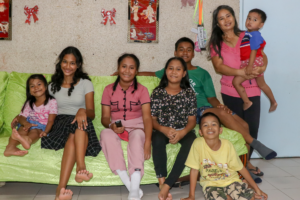
With eight children in the house, there is always something to do!


13 Years as a foster mother and counting!

Nanay Butch is a full time foster parent to eight children at Fox & Hare Partner Charity, SOS Children’s Village.  

She lives in a home at the village where she cooks, cleans, does homework with and provides a loving home for her eight children. 

This year, she was the happy recipient of thousands of dollars’ worth of life changing support for her children and the other families in her village – all thanks to the members at Fox & Hare.  

“In my last job I was a coordinator at a family strengthening program but, after three and a half years, I realised that I didn’t just want to be the person coming to check up on the children, but to have a hand in raising them and helping them fulfil their dreams. 

So, I became an SOS Nanay and here I am 13 years later. 

At present I am caring for eight children in our home in the village, but I have raised a total of 12 children since I started.  

The youngest in our family right now is a seven year old girl and the oldest is a boy in grade twelve – so there is always a lot going on!” 


There are currently 116 children at the Village with Nanay Butch and her 12 fellow foster mothers.

They could be begging or worse.

SOS provides long-term loving homes, support and care for children who have been abandoned, neglected or orphaned.

There are twelve homes in the village, located in bustling Cebu city, each headed up by their own Nanay and caring for 116 children in total.  

SOS’ Director Aunty Florence describes the program as a “provider of alternative family care for those children who do not have parental care or have never felt love from their immediate family. 

We provide a loving family environment as well as holistic, wraparound care that covers everything from education to nutrition and mental health support. 

This is a truly life-changing opportunity for the 116 children who live here with us.  

Without this type of care, there is a very clear risk that they could get stuck in the cycle of poverty. Without an education, without financial literacy, there is a big chance they would end up back on the streets begging or worse”. 


The safety, support and love provided at SOS gives the children the foundations they need to aim for and achieve a life that they love.


Confronting a Harsh Reality

The Philippines is a global centre of commercial child sexual abuse and the exploitation of children, where it’s estimated around 7,000,000 or roughly 16% of all children are sexually abused each year. The majority (up to 87%) of victims are young girls 13-18 years old, but young men, boys and children as young as 10 are frequently forced into prostitution and/or online exploitation too.  

Because poverty and homelessness are key risk indicators for potential victims, the children who find themselves at SOS’ front door are also particularly vulnerable.  

Driven by the desire to protect, care for and help these young people get the most out of their lives, Nanay Butch became an SOS mother. We believe women like her should be celebrated and supported at every step. 


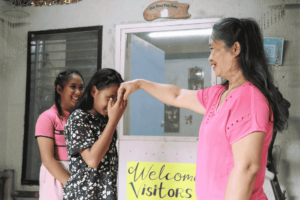
The Mano (Tagalog: pagmamano) is an “honouring-gesture” used in Filipino culture performed as a sign of respect to elders and as a way of requesting a blessing from an elder.


Rising tides lift all boats.

The collective power of the Fox & Hare member community has made a significant impact on the lives of the children at SOS Children’s Villages. As members take control of their finances, buy property, get invested and follow their own path toward financial freedom they’re also extending those opportunities to the children at SOS. 

A portion of Fox & Hare’s revenues are dedicated to supporting the educational and personal development of children in need.  

Over the past twelve months, this has translated into:    

  • First year university scholarships for nine SOS students eager to pursue higher education.    
  • A memorable celebration for all 116 children, mothers, and SOS support staff, with Happy Meals for the little ones and a full lechon (a traditional Filipino dish) for everyone to enjoy.    

This is what we can achieve when we work together!  

By choosing Fox & Hare, members are not only investing in their own financial well-being but also becoming part of a collective effort to create a more equitable world. It’s a win-win situation that ensures a brighter future for us all. 


The rising tide lifts all ships. Fox & Hare’s members are not only taking a positive step toward a future where they experience less uncertainty, more security, and be empowered to live a life that they love, but also contributing to a brighter, more equal future for us all.


A message of hope.

“We’re very, very grateful for your help,” says Nanay Butch.  

Without the help of people like the members at Fox & Hare, I cannot imagine how we would cope. 

But together we can give the children hope. We can give them their dreams back.”

About Fox & Hare:

We help Australia’s 20-45 year olds buy property, get invested and achieve financial freedom.

Founded in 2017 by two former Macquarie Bank executives, Fox & Hare Financial Advice was born from a vision to disrupt a financial services industry that only served the old and rich. We saw a gap in the market for a firm that understood and catered to the needs of young people in the wealth accumulation phase of their lives, and we jumped on it!

Whether you know that your financial situation should be better, but don’t know what to do next, have questions about the options that are available to you, or need a hand building, refining and implementing a specific investment, superannuation or other strategy, Fox & Hare are here, able and qualified to help.


Fox & Hare can help you, too.

Are you ready to take the next steps toward the life you aspire to? If yes, reach out to Fox & Hare for a free virtual coffee catch up.

We have helped hundreds of 20-45 year olds unlock their potential and find the freedom, security and stability they deserve.

We can assess your current financial world – and give you 100% clarity on how to:

  • Pay down debts
  • Save to buy a home
  • Quit work for a career change / start a business
  • Achieve financial freedom

With clear, reliable and realistic time frames.

If you want to be debt free? We can tell you exactly how long that will take. If you want to own a home? We can tell you how long that’ll take too. Want to start a family? We can tell you down to the day.

So, if you want to put an end to that feeling of unease “when will I be able to buy a home?” “when will I be debt free?” “will I ever feel financially secure?” Hit “Book now!” and claim your free virtual coffee with our Member Success Manager, Will today. 

Book now!

Tariff. A beautiful word. 

We’re 37 days into the new American administration and it’s been a doozy.  

The headlines are flowing so thick and so fast I’m already starting to feel exhausted, but there is one word in particular that’s been getting a lot of airtime – tariff.  

In a 2025 speech that may well go down in history alongside Thatcher’s ‘the lady’s not for turning’ and Reagan’s ‘A Time for Choosing’, Donald Trump declared ‘To me, the most beautiful word in the dictionary is tariff. It’s my favourite word. It needs a public relations firm’. 

That may be so, but for some of us, myself included, a dictionary would probably be a better first step.  

Before I could feel comfortable getting caught up any kind of outrage, I really needed to know – what the hell is a tariff? So, I put on my detective hat and hit the internet to find out.  


Donald thinks that tariff is a beautiful world. I didn’t really know what it means.


What is a tariff? 

According to Scott French, senior lecturer in Economics at the University of New South WalesAn import tariff – sometimes called an import duty – is simply a tax on a good or service that is imported into a country.’ 

Because tariffs make imports more expensive, economists refer to them as a trade barrier. They aren’t the only kind. 

One other common non-tariff trade barrier is an import quota – a limit on how much of a particular good can be imported into a country. 

Governments can also create other non-tariff barriers to trade. 

These include administrative or regulatory requirements, such as customs forms, labelling requirements or safety standards that differ across countries.  

Seems simple enough!  Just like the GST, a tariff is a tax that is imposed on specific goods or services that are imported from overseas.  

Economists almost unanimously agree that trade barriers have an overall negative impact on the economy, but they note the benefits of free trade are rarely shared equally.  

Many in the former auto manufacturing hubs of Victoria, South Australia and other deindustrialised towns and cities the world over tend not to share the economists’ enthusiasm. 


Many in the general population view deindustrialisation, the offshoring of jobs and all of the negatives that come with that as a direct result of low tariff free trade environments.

So, how does a Tariff work IRL? 

Imagine you’re a business owner in Australia, and you want to sell handcrafted Italian leather handbags. You find a great supplier in Milan, and they offer you a fantastic price – $100 per bag!

You’re excited to import these handbags and offer them to your customers. But there’s a catch!  

The Australian government has a 10% tariff on Italian leather handbags.

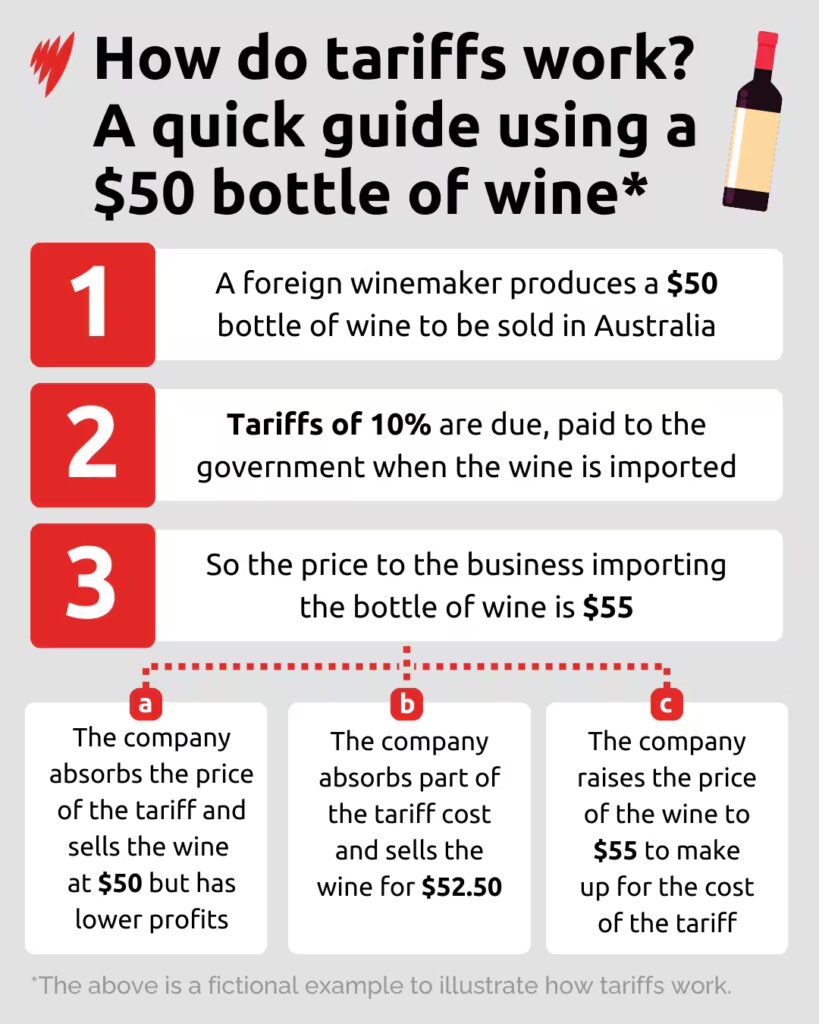
This means that for every handbag you import, you have to pay an extra $10 to the government. 

So, those handbags that cost you $100 in Italy now effectively cost you $110 in Australia. This makes them more expensive for you to sell, and ultimately, more expensive for your customers to buy. 

The idea is that this tariff helps protect Australian handbag makers.

By making the imported bags pricier, it gives local businesses a better chance to compete. Of course, it also means your customers likely end up paying more for their preferred Italian bags. 

This is a simplified example, but it shows the basic idea behind tariffs. They’re like a border tax that can make imported goods more expensive. 

But why would anybody want to make things more expensive? 


How tariffs work. Source: SBS News


Why do governments implement tariffs? 

As we know, in the first instance, tariffs are designed to make imported goods more expensive, but there are a whole slew of reasons why a government might want that to happen. 

One reason is to protect domestic industries from foreign competition. When tariffs are applied tactically to raise the price of imported goods, domestic businesses can compete more effectively.  

Brazil’s recent imposition of tariffs up to 35% on various Chinese products, after a ‘significant increase in imports that harmed national production’ illustrate this method in action.  

Tariffs can also be used to influence the trade or other policies of nations.  

For example, a country might impose tariffs on goods from another country in order to pressure that country to change its trade practices, damage a competitive industry or put pressure on a foreign government. 

Australia’s 2022 imposition of a 35% additional tariff on all goods from Russia and Belarus, in response to Russia’s invasion of Ukraine, highlight how countries can use trade restrictions as a means to try influence and/or coerce fellow nations to behave in a particular way.  


The USA is not the only country that’s been playing with tariffs. Brazil and Australia have both, for different reasons, implemented tariffs in the very recent past.


Cool story, what do tariffs mean for me? 

So far, Australia has not been directly targeted as a tariff recipient. But that is no guarantee.  

Recently announced tariffs of 25% on steel and aluminium imports into the US ‘without exception’ could have a marked effect on Australia’s producers.  

But the Albanese government appears quietly confident that our status as one of the few nations globally to maintain a trade deficit with the United States (we buy more from them than they buy from us) will play in our favour.  

Further, Australia’s steel imports do not register in the top ten importing nations to the US and rank ninth for aluminium at 90,203 metric tonnes –  more than 2.8m tonnes less than Canada in first place.  

Another potential source of trouble for us, the Trump administration’s factsheet on fair and reciprocal trade takes aim at ‘unfair taxes’, specifically, value added taxes like Australia’s GST.  

While Australia is not mentioned by name, the potential is there. There is also a strong potential for flow on effects from tariffs elsewhere, namely China.  

As our largest customer, responsible for around 40% of Australia’s exports, any fluctuations in the Chinese economy are likely to be felt here as well. 

Exciting times ahead, it seems! 


Fun tariff facts GUARANTEED to make you look smart. 

  • The word Tariff originates from the Spanish port town of Tarifa. A group of racketeers based in the town would hold up merchant ships and charge a fee to pass through the Strait of Gibraltar – which came to be known by mariners as a tariff.
  • Data from 2022 suggests that Bermuda has the highest (weighted mean) tariff rate in the world at 29.5%. Hong Kong & Macau share the lowest at 0.0%. Australia ranks 7th lowest at 1%.
  • Early forms of tariffs were levied in the ancient Roman city of Palmyra (now Syria) and were not charged based on the goods entering the city but on the animal carrying them, with each camel or donkey load being charged a set amount. 1x donkey’s worth of Denarius please!


About Fox & Hare:

The company was Founded in 2017 by two former Macquarie execs. Fox & Hare aims to empower and educate Australians in the wealth accumulation phase of their life journey. Through the provision of a safe, inclusive and accepting environment, they’ve built a diverse and devoted following of 20- 40 somethings. Members come from many backgrounds, abilities and genders. The organisation and its co-founders have featured in the AFR, Equity Mates and Sydney Morning Herald. They have been included in Financial Standard’s Power 50 and Glen Hare was voted Australia’s best Financial Adviser for 2024.

Women, especially unmarried women, are often told they shouldn’t dream big.

We’re told that we should stick to what’s ‘manageable’, ‘realistic’ or ‘believable’ and  many of us end up being too conservative in our goals.” Says Naomi.  

She’s sitting in her airy, light filled, Bondi Beach apartment, sipping a post mix Coke Zero at 10 in the morning.

“But I didn’t want to be just OK, scraping in by the skin of my teeth. I wanted the story of the straight white guy that’s done well for himself.

You know the one. He always comes out unscathed, he’s financially independent, he doesn’t need to rely on anyone else. I wanted that level of independence without feeling like I needed to get married, and you know what? I’ve done it.” 

Naomi’s a 38 year old marketing executive and, four years ago she had a realisation.  

“I thought to myself, OK, I’m a single woman without a huge desire to get married and, I’m not going to have kids –  that’s an opportunity. I don’t need to spend the rest of my life just coasting, I can be a success story. I have a great job, I make good money, why aren’t I doing anything super special with it?” 

For Naomi, the realisation of that dream would be supported by three key pillars; home ownership, ‘fuck you’ money (more on that later) and freedom from bill anxiety.  

She didn’t just achieve them, she aced them.  


Through strategic planning and a unique “bucket” system, Naomi gained control of her finances, paid off debt, and built a foundation for a secure future.


I didn’t feel bad. I felt lazy.  

“Yeah, look, I wasn’t in a fantastic starting position” Naomi says.  

“I’d run up a bit of credit card debt, I didn’t have much savings, but I had a great job that paid well. So, it didn’t bother me that much. It wasn’t like I was lying awake at night anxious.  

But I was also thinking ‘if anything happens, if I don’t want to be at this job or have this career anymore, then I’m stuffed.’ 

I didn’t feel bad, I felt lazy.  

It actually felt a little bit like tax return. You know how it lays over your head all year round and then right before the next year is due, you do it? It was like that but with my entire financial situation. It was disorganised and, I’m sure a lot of people will understand, that made me anxious. Like, ‘why haven’t I bothered to sort this out yet?’ 

Naomi made it to her early thirties and decided she was going to do something about it.  

“It sucks to say this, but a lot of financial advisers only deal with the husband, wife, two kids and a picket fence situation. Many are  only interested in you if you’re already rich and want to work out how you’re going to save for the private school fees and a yacht. 

Obviously, that wasn’t right for me. So, I looked elsewhere. 


Naomi defied the narrative that unmarried women should settle for less. She set ambitious financial goals and, with the right support, achieved them.

What does it mean to be safe? 

I knew that Glen (Co-founder at Fox & Hare Financial Advice) was one of the few advisers working with people who ‘look’ like me. I also knew that Fox & Hare’s style was centred on finding out what makes you happy – so, I went to the website and filled out the form.” 

Naomi had never worked with a financial adviser but, because she worked in the industry, had a lot of exposure to personal finance products and providers.  

“It was a bit like that old saying ‘hairdressers always have the worst hair cut’” she explains.  

“Because I was marketing financial products all day, I didn’t want to think about financial services or money outside of work.  

But the conversations I had with Glen were so far away from that.

We spoke about what was going to make me happy. What was going to make me feel secure. I’d say, ‘I want to feel safe’ and we’d talk about what that meant in reality.  

We worked out that it came down to three things; home ownership, ‘fuck you’ money and freedom from bill anxiety.  

The first feels quite obvious. I’d feel so much more secure in my own place. But there was another layer there, too. I wanted my dream place; I wasn’t content to just ‘make do’ and be satisfied with some shitbox.  

Second, to be secure I’d need to be debt free – with savings. I’d need a good amount of what I call ‘fuck you’ money. That’s a pool of cash set aside for an emergency; if I ever ended up working somewhere that didn’t align with my values or culture, I wanted to be able to just say ‘fuck you’ and leave. So, I’d never have to be trapped at a job or in some other situation that I hated or made me feel unsafe.  

Finally, I didn’t want to be worrying about bills.  

I’ve had a lot of exposure to the fact that unmarried women over fifty are one of the poorest demographics in Australia. Even though they’ve been working their whole lives they still don’t have financial independence and they’re working just to make ends meet. I didn’t want to end up getting by by the skin of my teeth, having bills coming in and thinking to myself ‘Gosh, how am I going to pay this?’ 

It felt like a lot and, as I said, women, especially single women, are told that we shouldn’t dream big, that we should play it safe. So, it was a surprise when Glen and team said ‘yep, we can do it.’” 

And just like that, they got started.  


From doubting her financial abilities to confidently planning for a future she loves, Naomi’s story shows that with the right support, its is possible to rewrite your financial narrative and achieve your dreams.


Holy Moley.. How am I supposed to live off this?  
The first thing Naomi noticed was a string of little wins.  

“We built a system of ‘buckets’, with allocated funds for different parts of my life. 

So, like, we had a short term bucket for my guilt free spending money, we had a long term bucket for my property, ‘fuck you’ money and debt repayments, plus a medium term bucket for things like holidays.  

On pay day, every dollar would automatically get sorted into its appropriate bucket and it was the best thing. 4 years later and I still automatically live by this sort out method. 

I started JUST spending the money in the guilt free bucket and, all of a sudden, these short, medium and long term goals all started happening. I remember thinking to myself ‘oh shit! I can save! I can actually pay down my credit card without dipping back into it!’  

My mindset shifted, and suddenly, everything seemed possible. I hadn’t realised I’d been lacking confidence, the whole time I’d been doubting my ability to sort out my finances and it felt like all of that changed overnight.  

The Fox & Hare approach is not about shaming or fear-mongering, but about empowerment and encouragement. “We focus on the possibilities” Says Glen Hare, Co-founder of Fox & Hare Financial Advice and Naomi’s financial adviser. “We listen to what our members want out of their lives, give them a definitive pathway for getting there and support them along the journey.” 

Naomi’s experience exemplifies this approach,  

“Some people can be shamed into making better decisions like they rule their life with fear,” Naomi observes. “But I’m the opposite. I can’t be hated or shamed into doing something. I have to feel like I’ve been encouraged into it. 

Glen was insane with that.  

He’d use software to forecast what my life could look like if I stuck to the plan for a certain period. I’ll never forget this conversation we had early on where I was saying how much I’d need to spend every week and he said ‘can you stretch it over a month?’ 

My first reply was a flat ‘no’. But then he was like ‘Naomi’ and he said it straight up ‘if you can make that number work you’ll be able to buy that house’. I’ll never forget it because that’s what drove me every time.  

Whenever I’d think ‘how am I supposed to live off this for a week he’d pop into my head. I’d say to myself ‘no. Glen’s told me I can do this. I can and I will.’ 

And she did. 


Naomi redefined success on her own terms. She proved that financial independence is within reach for anyone willing to challenge the status quo and embrace their own potential.


I was confronted with a harsh reality. 

The first major win was a debt free, dream holiday.  

“Usually, I’d book a holiday and then just scalp and scrounge the cash together from the pay cheque before I go. This time the money was all just sitting there ready to go.  

I’d said to Glen that I wanted to have a good eight grand for a holiday twice a year,” she says.  

“So, when that money first landed it my account it was a totally new feeling for me. I was able to just book wherever I wanted, buy whatever I wanted, and I didn’t look at my credit card once.  

It was me and one of my girlfriends and we had the time of our lives. We stayed at the W, which is somewhere I’d never have been able to stay before! But this time we did it in style. And I didn’t feel guilty once.  

Cause it was money I’d saved. I wasn’t spending tomorrow’s blessing today and it was like ‘I’ve worked hard for it, I’ve achieved it, I’ve saved it and now I’m going to enjoy spending it!’” 

Naomi’s feelings about money and life changed rapidly over the following years.  

“I was so surprised because all these good things were happening, but my salary stayed the same for like two or three years. I had to stop and readjust how I thought about money and life.  

Until that point, whenever I’d been in a tough spot financially, the first thought had always been ‘get more money’. It was the first time I saw that ‘more’ wasn’t necessarily the key to my happiness. I was confronted with the reality that I already had the key to my happiness I just had to organise it in a better way. 

I learned to love myself in a finance way!” 


Naomi’s travel experiences became a tangible symbol of her financial progress, highlighting the power of budgeting and saving with intention.


“He told me to fuck off.”

In the background, the dream of owning a home loomed large.  

“I’ll never forget the day I called up Glen with the news: ‘I’ve got a surprise for you. I just bought a place in Bondi!’ His response was hilarious, he was like ‘fuck off!’ I said ‘I have and it’s because of you!’ I told him I’d never have made it without him and we both started crying. I will never forget it.   

I know it’s just an object but it means so much more than that to me. Like I said, I wanted to feel financially safe and independent without needing to rely on anyone.  

I never wanted to find myself in the situation where I was dependent or I felt trapped and for me that’s what this place represents. Me building a safe space for myself that nobody can take away but myself. 

I wake up sometimes and I’m like ‘what the hell am I even doing here?’  

I still have these moments where I’m in total disbelief. If you’d asked me four years ago, I’d have set my goals so much lower. I don’t think I’d ever have believed something like was possible if it wasn’t for Glen showing me it was. 

He probably doesn’t even think it was a big deal but I have a totally different perception of myself and what I am capable of.  

The woman who signed up to Fox and Hare? I don’t even remember her,” Naomi reflects.  


The keys to her Bondi apartment were more than just metal and plastic; they symbolised Naomi’s journey from financial anxiety to independence.


Red wine, cigarettes and second hand book shops.  

“I don’t even remember what it feels like to doubt myself anymore. My confidence is so much better and my outlook for the future is so much more positive. 

Not that it was bleak before, but it was, I was conservative, whereas now my outlook for the future is boldly positive. 

Looking ahead, Naomi’s dreams are bigger and brighter than ever.  

“I’m already like, I want to buy the whole building,” she laughs.  

“My mom said, just start with the top floor first Naomi ‘do yourself a penthouse’.”  

“That’s a joke but I can’t help thinking about it seriously. Before I would have thought ‘ohh I’m lucky to have just one little place and that’ll be fine. Now I’m thinking ‘well, once I pay this down, and I will do it sooner than the loan term, what’s next?’  

It’s no longer just so I can retire with safety. It’s let’s knock 10 years off it. 

I’ve told Glen, and it’s probably true, I’ll be the woman who owns the second-hand bookstore, drinking red wine and smoking cigarettes at 10am – like Bernard Black. I’ll have a retirement filled with the people and things that I love. I’ll be enjoying my time and doing the stuff that brings me the most personal pleasure, satisfaction and pleasure.  

You know, a fantasy is something you think about when you’re trying to get to sleep on a Sunday night – when you’ve got the Sunday scaries.  

A dream is something you think about when you’re going to bed at night. But a goal is something that’s going to happen.  

And so, this ideal life is no longer a fantasy or a dream to me, it’s a goal. It’s in my head and it’s going to happen by hook or by crook.  

I’ve got the confidence that it’s going to happen.  


Waking up to a Bondi Beach sunrise every morning – one of the many perks of financial independence.

Fox & Hare can help you, too.

Are you, like Naomi, ready to take the next steps toward the life you aspire to? If yes, reach out to Fox & Hare for a free virtual coffee catch up.

We have helped hundreds of 20-45 year olds unlock their potential and find the freedom, security and stability they deserve.

We can assess your current financial world – and give you 100% clarity on how to:

  • Pay down debts
  • Save to buy a home
  • Quit work for a career change / start a business
  • Achieve financial freedom

With clear, reliable and realistic time frames.

If you want to be debt free? We can tell you exactly how long that will take. If you want to own a home? We can tell you how long that’ll take too. Want to start a family? We can tell you down to the day.

So, if you want to put an end to that feeling of unease “when will I be able to buy a home?” “when will I be debt free?” “will I ever feel financially secure?” Hit “Book now!” and claim your free virtual coffee with our Member Success Manager, Will today. 

Book now!

About Fox & Hare:

The company was Founded in 2017 by two former Macquarie execs. Fox & Hare aims to empower and educate Australians in the wealth accumulation phase of their life journey. Through the provision of a safe, inclusive and accepting environment, they’ve built a diverse and devoted following of 20- 40 somethings. Members come from many backgrounds, abilities and genders. The organisation and its co-founders have featured in the AFR, Equity Mates and Sydney Morning Herald. They have been included in Financial Standard’s Power 50 and Glen Hare was voted Australia’s best Financial Adviser for 2024.

“You’ve given our family a real Christmas and we’ll never forget it.” 


Luke is a husband, father of two and dog dad to one very big girl. His voice is thick with emotion.  

 “There’s no words to express the depth of our appreciation and gratitude for what you’ve allowed us to have”

His words are a powerful testament to the impact that the members of Fox & Hare have had on his and many other families’ lives this Christmas, throughout 2024 and beyond.  

But just two years ago, things looked very different for Luke’s family.  

Helaina, Luke’s wife, was 33 weeks pregnant with her first daughter. With just five weeks to go, they found themselves homeless and living in a temporary shelter run by Fox & Hare partner charity, Hobart City Mission.  

The young couple’s world had been turned upside down. They were desperate. “We tried everything we could to find a place to live,” Helaina shared, “but… we were just being told to wait.”  


Their situation was dire, and the clock was ticking.

The couple had five weeks to find a home in the midst of a national housing crisis. They knew that if they didn’t find a place before the baby was born, she would be taken into state custody – a terrifying situation. 

“If it wasn’t for Safe Space (Hobart City Mission’s shelter) we would have been living in the car,” Luke shares, a stark reminder of the program’s crucial role. “It was my biggest fear that when she [baby Scarlett] did come, we would still be at Safe Space with nowhere to go,” Helaina says. 

Yet, even in the worst situations, the kindness and spirit of camaraderie between everyday Australians shines through. They found friendship and companionship in Steve, a fellow resident at Safe Space, and his loyal dog, Bella.  During their struggle, they found connection and support – a reminder that they were not completely alone. 


In a nutshell:

  • Two years ago Luke & Helaina found themselves homeless just five weeks away from the birth of their first daughter.
  • Fox & Hare’s purpose is to ‘create a more equal world’ extends beyond supporting Australia’s 20-45 year olds to buy property, get invested and achieve financial freedom. It also means supporting organisations that help lift children and young people out of poverty .
  • Becoming a member at Fox & Hare does not only mean taking a positive step toward a future where you’ll experience less uncertainty, more security, and be empowered to live a life that you love. Your membership will also extend those opportunities to many others who might otherwise miss out.


Luke & Helaina at Safe Space in 2022


Just ten days before she was born, we got the news. 

“The ideal outcome was to find a two-bedroom place,” Luke said. And this is where Hobart City Mission, supported by everyday Australians, taxpayers and business partners like Fox & Hare, lived up to their promise, becoming a catalyst for change in the family’s lives. 

Just ten days before Scarlett was born, Hobart City Mission helped Luke and Helaina secure a home. It was a monumental victory – but only the beginning of their journey. 

While they were searching for their new home, having the temporary safety net of Safe Space was a lifesaver. “We weren’t left waiting a week or two with nowhere to go,” Luke expresses, highlighting the peace of mind and physical security the program (and others like it) provide for those in crisis.  

Luke & Helaina’s story emphasises the importance of our social safety net, the programs that nurture it, and the critical role of external support from organisations like Fox & Hare to ensure these opportunities remain accessible. A more equal Australia is one where a sudden and unexpected shock does not mean losing your family.

How easy would it have been for Luke and Helaina to spiral out of control after the trauma of losing their child? Thankfully, we don’t have to find out.  

“Without the help we got, we wouldn’t have found this place. We wouldn’t have our family, and we wouldn’t have a place to live for this Christmas. We are so grateful” 

Sadly, shortly after they moved into their new home and welcomed their first daughter, Scarlett, their new friend Steve passed away.  

In a profound act of compassion, Luke and Helaina adopted his dog, Bella. Ensuring Steve’s beloved companion was finally able to escape homelessness, too. The spirit of paying it forward is alive and well in 2024, it seems. 


The Safe Space program operates out of a day and night space, both located in heritage listed buildings in the Hobart CBD.


“There’s no word to express the depth our gratitude…” 

Fast forward two years, and the transformation is remarkable.  

Luke and Helaina, now a family of four with the addition of their second daughter, Autumn, are preparing for a joyous Christmas together in their home. A stark contrast to the uncertainty and fear they faced just two short years ago. 

Gifts provided by Hobart City Mission’s Christmas Assistance Program (CAP) have added another layer of joy to their holiday.  

“There’s no words to express the depth of our appreciation and gratitude for what you’ve allowed us to have,” Luke repeats, this time referring to the support they received through CAP.  

A $14,000 donation, made on behalf of Fox & Hare’s members, helped provide gifts and create a “real Christmas” for Luke, Helaina, Scarlett, and Autumn. “You’ve given our family a real Christmas and we’ll never forget it,” Luke adds, his gratitude palpable. 

Today, Luke & Helaina’s lives are filled with positive milestones.  

They marvel at Scarlett’s first steps, her infectious laughter as she navigates the world around her. They cherish the simple joys of having a friendly neighbour, someone they can rely on, just a friendly chat away. They appreciate the convenience of a nearby childcare center, a place where their daughters can learn and grow. 


Luke & Helaina couldn’t be happier with how their situation has turned out and look forward to a bright future.


Luke and Helaina’s reality is more than just a heartwarming story.  

It’s a powerful reminder of the difference that positive choices can make.  

“Our members’ choice to work with Fox & Hare means they’re not only taking a positive step toward a future where they’ll experience less uncertainty, more security, and be empowered to live a life that they love for themselves. They’re also extending those opportunities to many others who might otherwise miss out’ says Liam Hartley, Fox & Hare Community & Marketing Lead. 

“On their behalf, a portion of Fox & Hare’s revenues are distributed among programs that lift children and young people – just like Luke & Helaina’s family – out of poverty, giving them the opportunity to pursue an education, a career, and a life that they love.  

When you become a member with Fox & Hare, you can be certain that your success will make the world a better place!” 

This Christmas, as Luke, Helaina, and their two beautiful daughters gather around their tree, surrounded by the love and warmth of their home, they will be forever grateful for the support that helped them get there.  

And, the members of Fox & Hare can share in that gratitude, knowing they played a vital role in making sure that not only Luke and Helaina’s, but many hundreds of other Christmases, and futures, are bright. 


The boomers have ruined it for us all.  

Or so the narrative says.

The older generation has not only hoovered up the nation’s properties, driving up costs and wasting bedrooms.  They’re now pushing up inflation with their reckless spending, too.

While the rest of us struggle to put food on the table, clothes on our backs and give up on the prospect of home ownership entirely, the boomers are spending up big! 

As a generation, boomers make up 25% of the population but own more than half of Australia’s national wealth – and counting.

In fact, since 2012, the average net worth of an Aussie boomer has soared from $1,086,365 to $1,239,700, up 14%. The Millennials? A paltry 9%. 

Surely, this has to be proof of a generation benefiting unfairly from decades of government mollycoddling? 

At Fox & Hare Financial Advice we’re not so sure. If this narrative is true, why do one in four Australian boomers live in poverty? 

If the boomers are sucking up Australia’s homes at such an unprecedented rate, why is one of every seven Australians experiencing homelessness over the age of 55? And why are women over 55 the fastest growing cohort of homeless in the nation?  

The answer: not all boomers are rich.  

In fact, vast swathes of our nation’s ageing and elderly population are quite the opposite. They’re living in cars, shelters, and public housing with little to nothing. Many times all they have to their name is debt.  

The truth of the matter is that only some boomers, those fortunate enough to have been able to build a healthy super balance, invest and buy property, share in the oft discussed wealth of their generation.  

The bottom fifty percent of boomers have nothing, or less than nothing, and if current trends persist, the younger generations are set to fare even worse.  

In a nutshell:

  • Boomers are not uniformly wealthy and, despite media portrayals, many live in poverty, experiencing homelessness, hunger and insecurity.
  • Property ownership and long view investment strategies are strong predictors of Boomers’ outcomes later in life. Those who did or were not able to focus on either face generally face significant struggles in later years.
  • You can book a free 45 minute coffee catch up, to discuss your own financial situation with team at Fox & Hare here: book now


Persistent media portrayals and vilifications paint boomers as a tyrannical, money hungry and selfish generation – even as they fill Australia’s homeless shelters.

(Some) millennials are richer than Boomers, actually.    

While data from Australia is hard to find, research out of the US & UK shows Millennials, while often characterised as the first generation to be worse off than their parents, are not uniformly worse off.  

In fact, many enjoy a financial position far superior to that of the average boomer at the same stage in life.  

Just like the boomers ahead of them, some Millennials are thriving while others are left behind. Only this time around the gap is wider. The wealthiest Millennials have more than ever, while the poor are falling further behind.  

Home ownership rates suggest a similar dynamic playing out in Australia, too. Just over half (54%) of Millennials own a home vs 62% and 65% for Gen X and Baby Boomers at the same stage in their lives. This should be of concern to us all.  

Boomers who rent are more than three times as likely to be living in poverty. If generation X and the Millennials follow that trend, we can expect a significant jump in the number of ageing and elderly Australians experiencing homelessness and poverty.  

And we’re sorry to say that if our experiences at Fox & Hare are anything to go by, this seems plausible – if not likely.  

It goes without saying that many low and middle income Australians are struggling. We all know that stagnating wages and an overheated housing market are pushing our teachers, law enforcement officers, allied health professionals and many others out of our cities and into financial insecurity.  

We also know that things are increasingly difficult for those living with disability, experiencing long-term homelessness, struggling with addiction or any of the many other situations that can negatively affect your ability to get ahead.  

Surprisingly, a huge number of high income earners are on the ropes too – albeit with a greater opportunity to turn things around.  

So, in the face of the most difficult financial situation our generation has faced, what can we learn from those that have gone before?  

Don’t point fingers. Take notes.  

Don’t be suckered in by simplistic, ad hominem attacks on your parents and grandparents. As we’ve seen, vast swathes of Australia’s ageing and elderly have not shared in the wildly uneven wealth of their generation.  

Of course, houses were cheaper 30 years ago. Yes, HECS wasn’t a thing. And we know, they’ve enjoyed an extended and unprecedented period of global growth. This does not mean there was no hard work, no scrimping, no scraping, and no smart decisions.  

Regardless of the price differential on housing between generations there are still many lessons to be learned from our forebears.  

ABS income data shows the primary source of income for a vast majority of middle and low wealth retirees come from government assistance – 94% and 80% respectively – with the divide between low and middle wealth likely a result of home ownership.  

Of course, ‘buy a home’ is hardly new or interesting advice – it is, however, increasingly frustrating.  

A more useful and less discussed lesson can be found in the difference in income between low, middle and high wealth retirees.  

Where low and middle wealth retirees rely almost exclusively on government assistance to get by, for high wealth retirees, a totally different picture.  

Less than 16% of ‘wealthy’ Boomers’ primary income is a result of government support. A whopping 70% is delivered by superannuation and other investments. READ: they’re living off money set aside earlier in life.  

Unsurprisingly, those households that took a long term, investment led view to their finances are now reaping the rewards. And this should be a primary lesson for those of us still in the wealth accumulation phase of our life.  


High income Millennials’ leaving themselves behind.  

The number of 20-45 year olds earning incredibly high incomes, yet still living pay cheque to pay cheque, is past the point of concerning.  

At Fox & Hare Financial Advice we regularly meet individuals who are earning six figure salaries, and have been for many years, with nothing to show for their efforts but mountains of shoes, frequent hangovers, and cars worth less than the loans that paid for them.  

Even more concerning, many in their 20’s, 30’s and, most stressful of all, 40’s are laden with tens, sometimes hundreds of thousands of dollars of debt, with no assets to speak of. 

If you are one of these people, you are treading an unnecessarily dangerous path.  

The trajectories of our parents and grandparents highlight the impact of forward planning on our outcomes. The majority of those who invested and paid attention to their super are now living off the fruits of their labour.  

Those who did or were not able to do the same have a greatly increased risk of poverty, instability, and homelessness.  

Even worse, while the stakes are just as high, we are now playing on hard more.  

The barriers to home ownership are significantly higher, bordering on impossible for some, salaries are going backward for many, and the global outlook feels uncertain at best.  

So, what do we do? As always, what we can.  

Rentvesting: how to buy homes in an overheated market. 

“We’ve got a lot of creative ways to help our members get ahead.” Says Fox & Hare Financial Advice co-founder and financial adviser, Glen Hare.

“People come to us because they want ‘financial freedom’. This looks very different from person to person but usually involves owning property and having enough money to make some significant change in their life, like retiring early or moving overseas as a digital nomad. From our perspective, getting onto the property ladder is the harder of the two and getting harder every day”. 

Property prices, especially those in Sydney and the other capital cities, have soared over the last few decades. They’ve outpaced salary growth with average and median prices now feeling well out of the reach for those earning low and even middle incomes.  

“One of the biggest issues we see is those who don’t have access to the bank of mum and dad feeling totally locked out of the property market. But it doesn’t have to be that way” says Hare.  

“The way that I overcame this obstacle myself was to ‘rent-vest’. I bought a property I didn’t intend to live in, in an area that was not as sought after. I paid off the more affordable mortgage while renting near the beach.”  

If you’re a single woman living in Bondi but unable to buy there right now, rather than writing off property ownership as a lost cause, you could look to buy in an area that you can afford while still renting in the Eastern Suburbs.  

I did this, a heap of our members have done this, and it works. Once you’ve got your foot on the ladder it’s much easier to upgrade later.” 

Of course, while the data has shown that property ownership is a good predictor for stability later in life it is not a sure thing. Those boomers that are now living comfortably and living off the returns on investments made earlier in life. For many that  includes income on investment properties but also super and stock portfolios, two very often forgotten heroes in Australia’s wealth debate. 


Fox & Hare Co founder Glen Hare got onto the property ladder by rentvesting. Buying in a more affordable area while renting where he wanted to live. Tap this image to book a free 45 minute consult with our Member Success Manager, Will. He’ll help you work out if you can too.

Building wealth without property? It’s a thing. 

“One of my members is 29 years old and already very well set up for retirement” says Trish Gregory, Financial Adviser at Fox & Hare. 

“She’s been putting extra money into her super over her twenties. That decision has now taken a big financial stressor off the table.”   

A thirty year old who invests $200 every month until sixty five would cash out $634,746. That’s only $84,000 deposited, but a whopping $550,746 in interest. The same person investing $100 would walk away with $313,373. That’s $275,373 in interest from deposits totalling $42,000.

“People don’t see the massive impact these little actions will have on their lives later down the line. Can you find an extra $100, $500, or even $1000 in your monthly budget? If yes, that can have a huge compounding impact moving forward.” Says Gregory. 

“A properly executed investment plan can and will make a big difference in a person’s life. Even better, the barriers to entry are much, much lower than those in the property market” adds Hare. “You can get started with $100 rather than having to save a $100,000 deposit. It’s also much more flexible. You can’t sell the bathroom in your investment property if you need the cash somewhere else.” 

It’s undeniable that many of Australia’s 20-45 year olds are being left behind. What’s being lost in the conversation is that many of Australia’s Boomers were left behind, too. We can see, in the older generations, a gap that will only widen between the haves and have nots as young people age into a future with less home ownership and, as a result, less financial stability. It’s a dire picture but there is an important lesson here, too.  

The boomers who did ‘make it’ are largely living off the returns on investments made earlier in life. Even those who are not living particularly comfortably, but still enjoy the stability of home ownership, illustrate this case.  

Without a doubt, many of these individuals would have been the recipients of loans, leg ups and other privileges from the bank of mum and dad. Right or wrong that’s just how things have been. Regardless, the lesson still stands.  

If you want any form of financial freedom in your future. You need to start thinking about it now. 


The Fox & Hare team’s 100% personalised financial advice has helped hundreds of 25-45 year olds pay down debts, buy homes, build investment portfolios and achieve financial freedom. Tap this image to book a free 45 minute virtual coffee and take the first step toward financial freedom today.

What’s next?

Are you ready to take the next steps toward financial security? Reach out to Fox & Hare for a free virtual coffee catch up.

We have helped hundreds of 20-45 year olds unlock their potential and find the freedom, security and stability they deserve.

We can assess your current financial world – and give you 100% clarity on how to:

  • Pay down debts
  • Save to buy a home
  • Quit work for a career change / to start a business
  • Achieve financial freedom

With clear, reliable and realistic time frames.

If you want to be debt free? We can tell you exactly how long that will take. If you want to own a home? We can tell you how long that’ll take too.

We only take on 10 new members every month, that’s a maximum of 120 spots every year!

And there are less than 5 advisories servicing the 10 million 20-45 year olds currently eligible to work with us. So, if you want to put an end to that feeling of unease “when will I be able to buy a home?” “When will I be debt free?” “Will I ever feel financially secure?” Hit “Book now!” and claim your free virtual coffee with Will today. 

Book now!


About Fox & Hare:

The company was Founded in 2017 by two former Macquarie execs. Fox & Hare aims to empower and educate Australians in the wealth accumulation phase of their life journey. Through the provision of a safe, inclusive and accepting environment, they’ve built a diverse and devoted following of 20- 40 somethings. Members come from many backgrounds, abilities and genders. The organisation and its co-founders have featured in the AFR, Equity Mates and Sydney Morning Herald. They have been included in Financial Standard’s Power 50 and Glen Hare was voted Australia’s best Financial Adviser for 2024.